Some fragrances begin with a place. Call Me When U-R in Flores begins with the feeling of being there: morning light, salt on the skin, and flowers growing with a quiet resilience.
For U-R THE SCENT, this new launch is also an invitation to look beyond ourselves. Its Flores story connects the intimacy of fragrance with empathy for the people whose world inspires it.
A Morning You Want to Keep
The house describes a coastal mood built around salt air, spider lily, warm skin and the sea. Spider lily sits at the heart of its campaign: delicate and wild, carrying a sense of strength without losing its softness.
Rather than telling the story through a long list of notes, U-R’s posts return to small sensations—the warmth of morning and the trace of salt left behind. Together, they suggest a moment you might wish could stay a little longer.
From Inspiration to Empathy
The fragrance made its exclusive launch debut at Jagat Aroma in Pakuwon Mall Jogja, from 25 to 27 September 2026. Alongside that introduction, U-R shared another intention: to turn care for Flores into action.
In its launch announcement, the brand said it was working with Wahana Visi Indonesia and would direct a portion of its launch proceeds towards communities in Flores. It also announced a QR code accompanying each bottle for people who wanted to support the effort directly.
A Scent with Someone Else in Mind
U-R’s follow-up post reflects on how a fragrance about empathy became a responsibility to show up. That gives the launch its emotional centre: a place can inspire something beautiful, while also asking us to pay attention to the lives within it.
Call Me When U-R in Flores carries both ideas—a coastal morning to remember, and a gentle invitation to care.
ÊTRE in Paris: Indonesian Scent Narratives on a European Stage
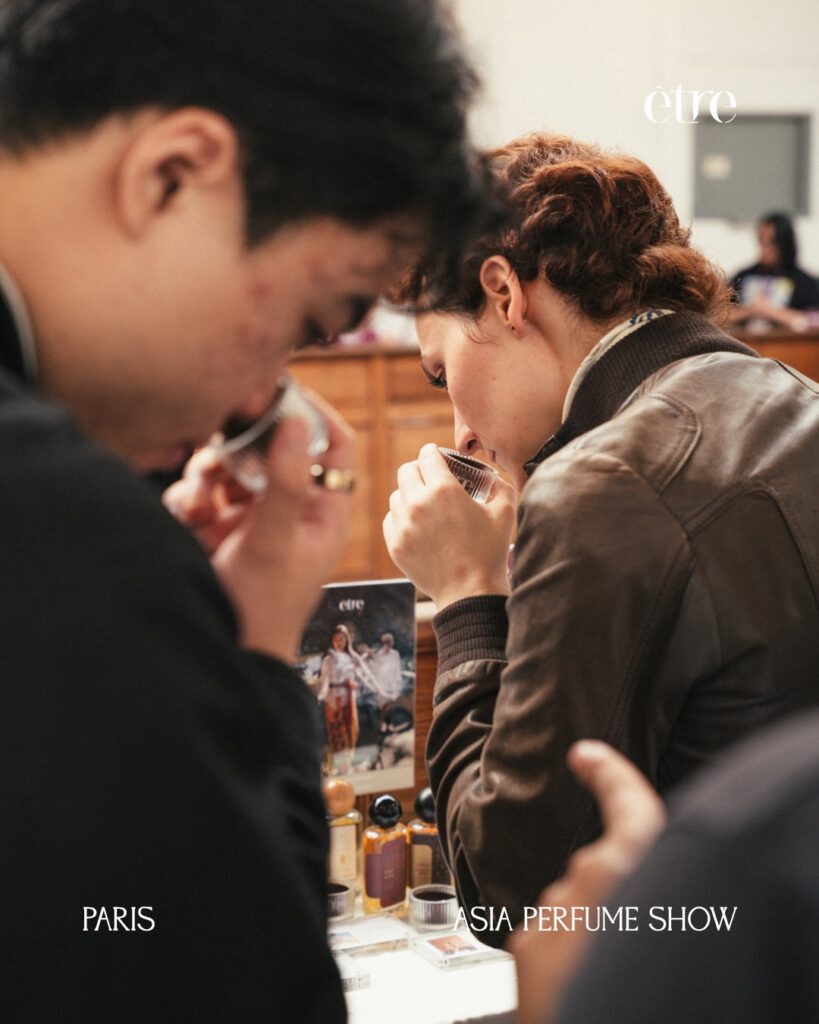
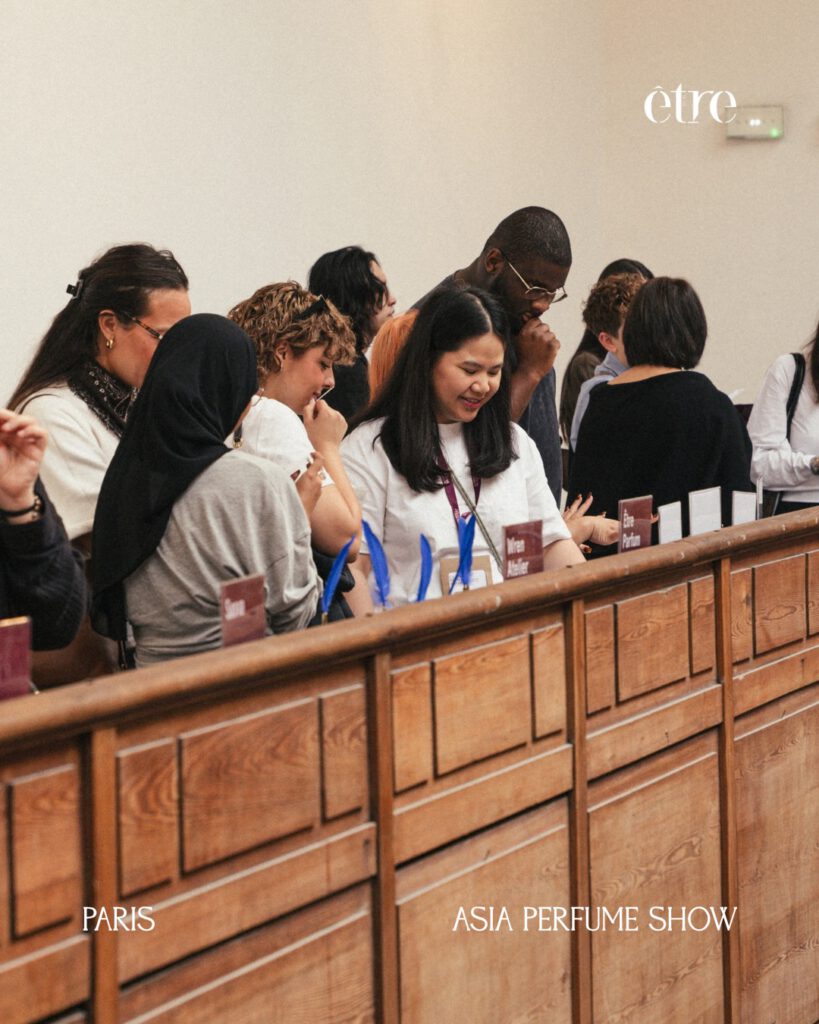
From Jakarta to Paris, ÊTRE brought its Indonesian scent narratives to a European stage at the Asia Perfume Show. Held at the Bastille Design Center in Paris from 23 to 25 September 2026, the event offered three days of discovery and conversation.
Meeting ÊTRE for the First Time
In its reflection on the show, the house celebrates visitors encountering its fragrances for the first time. The photographs capture those small moments of discovery: a scent strip raised, a pause to smell, a conversation across the booth.
Stories from Their Creator
Founder and perfumer Lygia was there to share the stories and passion behind each creation directly. Her presence made the encounter personal, connecting the fragrances with the person who created them.
ÊTRE’s message closes with gratitude for everyone who stopped, smelled and spent time with the house—a warm reflection on bringing Indonesian perfumery to an international audience.
Bali life, distilled in a bottle. AMTHRA’s idea of fragrance begins with a rhythm: moving into the morning, finding your pace, then softening as the day gives way to night.
The Circadian Pair brings that rhythm into two fragrances. Catch the Light is presented as the AM scent; After Hours as its PM companion. Introduced in the house’s September 2026 launch, they offer two moods within the same unfolding day.
Catch the Light: Meet the Morning
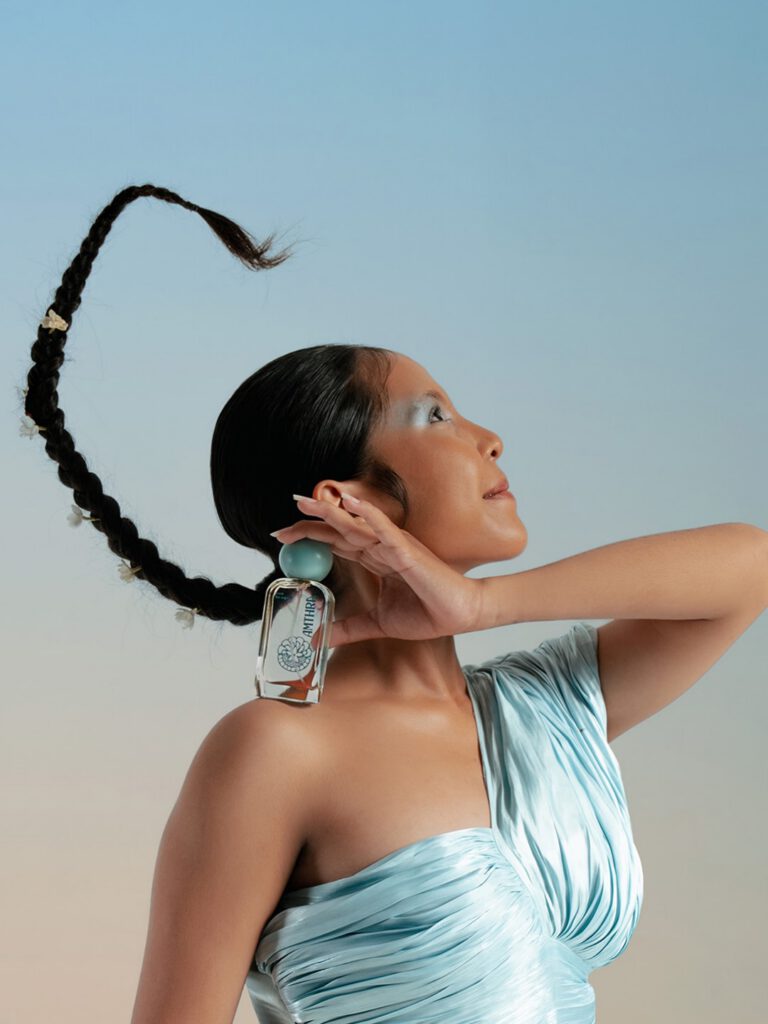
Catch the Light follows the outward energy of daytime. In the campaign, pale blue fabric and the bottle’s blue-green cap give that idea a visual language: light, movement and a sense of beginning.
AMTHRA positions it as a fragrance to accompany the version of you that steps into the day. It is an invitation to move with the light and find your own momentum.
After Hours: Make Space to Exhale
After Hours shifts the story towards evening. Its purple bottle cap and dusk-toned imagery introduce a slower mood, echoing the launch’s emphasis on letting go at the end of the day.
In the morning, you move with the light. At night you slow down, let it go, and exhale.
That line from AMTHRA’s campaign gives the pair its emotional centre: the everyday transition from doing to resting, expressed through fragrance.
Two Moods, One Returning Rhythm
AMTHRA invokes Rwa Bhineda in its launch story to connect those contrasting moments, and Kala to the rhythm returning tomorrow. Within this campaign, morning and evening belong to a continuing cycle.
The teaser unfolded in fragments before the pair’s 9 September launch. Read together, the posts make the intention clear: scent can accompany different energies, meeting you as your day changes.
For AMTHRA, distilling Bali life into a bottle means finding a story in those daily shifts—catching the light, then making room to exhale.
Tomo Laboratory × Dundandind: The Story of Yugen Kettle
For Tomo Laboratory, fragrance is a way to tell stories together. The Indonesian house brings perfumery into conversation with local illustrators and craftmakers, giving each collaboration a world to discover through scent and visual art.
Yugen Kettle, created in collaboration with Dundandind, offers a particularly playful meeting of those two languages. Its starting point is tea; its destination is somewhere more unexpected.
A Small World Inside a Kettle
The collaboration’s illustration turns a yellow teapot into a miniature landscape. Mushrooms, trees and tiny figures surround a swirling brew, while people gather inside the kettle itself. Tea becomes a place to enter, rather than simply something to drink.
Another slide imagines oolong tea with a little world of its own. That idea makes the artwork part of the story: an invitation to look more closely at something familiar.
Tea, Reimagined Through Scent
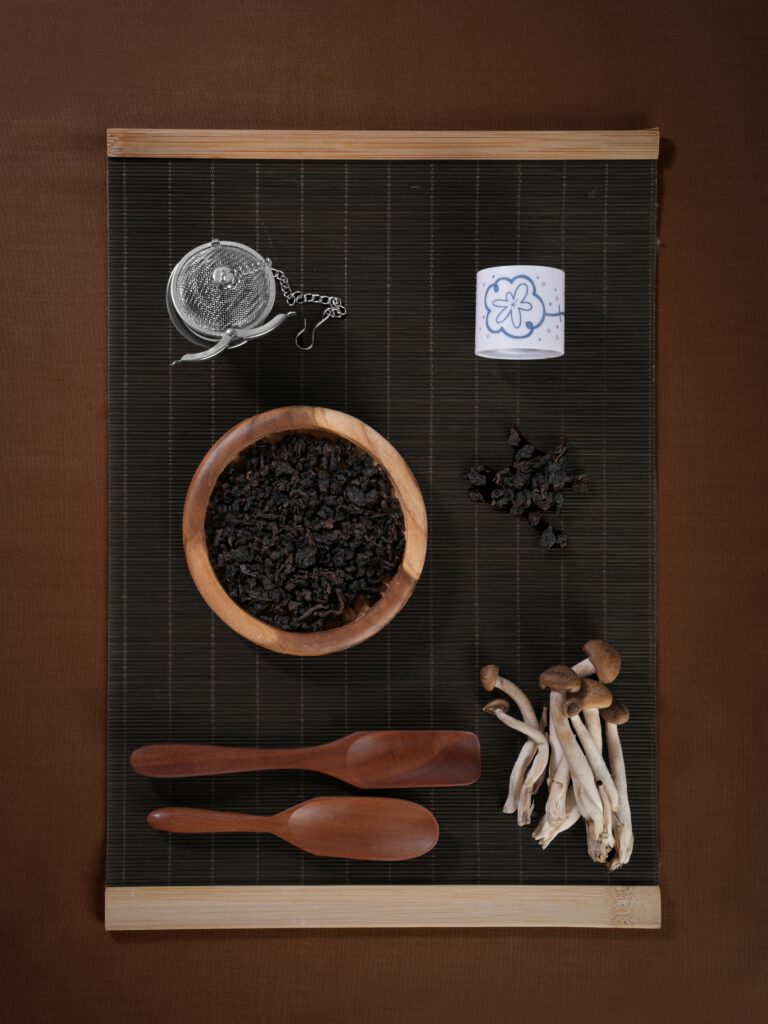
Tomo describes Yugen Kettle as carrying the spirit of Teh Tjap Tomo, with Da Hong Pao at its centre. Subtle peppery notes and hints of shimeji take the tea theme in an unexpected direction.
In a later post, the house presents this transformation as quieter, aromatic and refined. The scent and illustration approach the same idea from different sides: a familiar tea ritual opening into an imagined world.
Part of Oracular Obscura
The accompanying launch reel places Yugen Kettle within the Oracular Obscura collection and credits Dundandind as its collaborator. It also records special drops at Tomo Land Superm(art)ket and Pesta Muda Mudi Kuala Lumpur, placing the release in a wider creative setting.
More Than a Label
This is what makes Tomo’s collaborative approach worth exploring. The illustrator offers a way into the fragrance, while the fragrance gives another dimension to the picture. Together, they turn a bottle into an invitation to imagine.
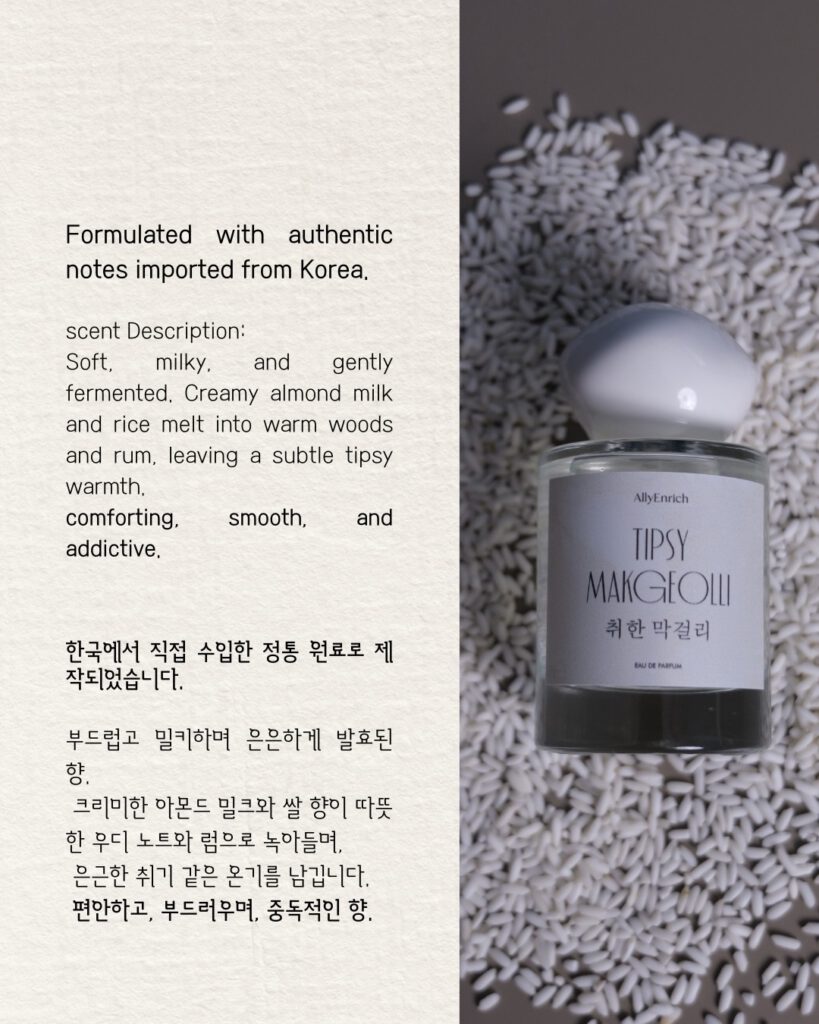
Some fragrances set the mood for going out. Tipsy Makgeolli invites you to slow down. AllyEnrich’s eau de parfum takes its cue from the quiet pleasure of sharing Korean rice wine: an unhurried evening, easy conversation, and warmth that stays with you.
A Softer Kind of Tipsy
In its launch story, AllyEnrich describes a fragrance that unfolds gently rather than demanding attention. Subtle sweetness and a mellow, comforting character evoke conversations continuing late into the night. The brand also highlights notes imported from Korea, connecting the composition to its inspiration.
Milk, Rice and Gentle Woods
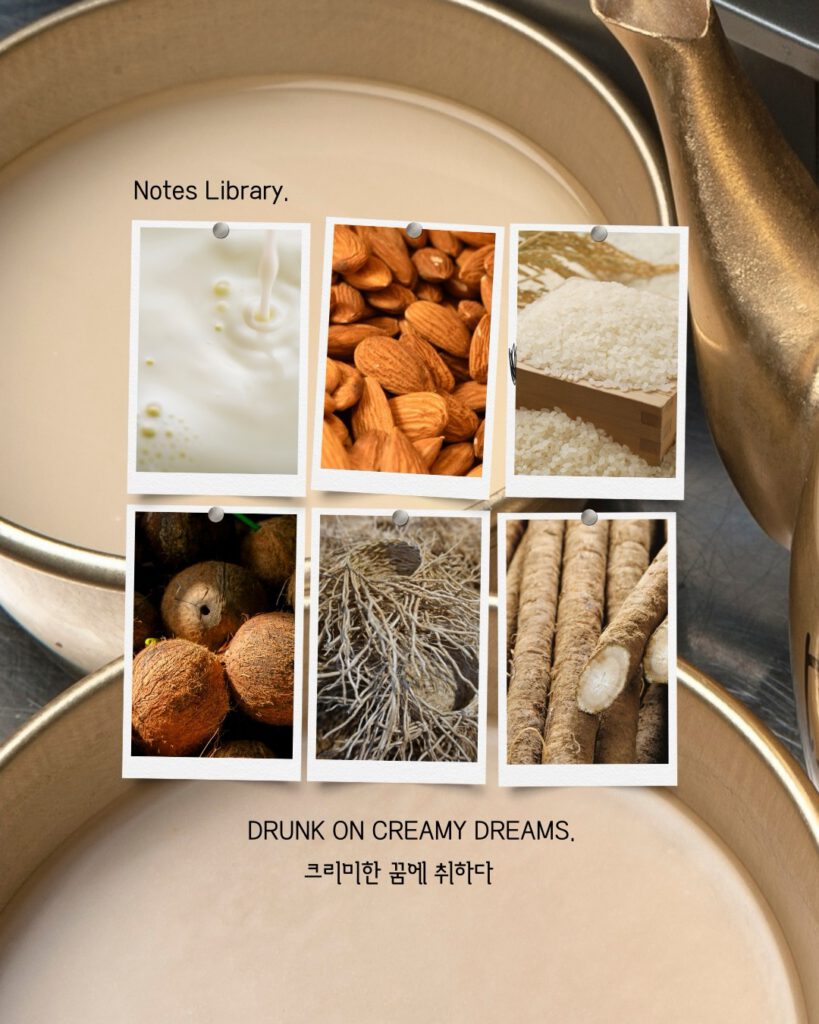
Almond milk and coconut milk introduce a creamy sweetness. Rice, milk and orris root form the heart, bringing a soft, powdery texture. Rum lends a restrained warmth, while sandalwood, vetiver and patchouli give the base its woody depth.
The result, in the brand’s description, is a milky gourmand with an airy feel: comforting without losing its layers, and intimate rather than loud.
The Notes at a Glance
Top: Almond milk, coconut milk
Heart: Rice, milk, orris root
Base: Vetiver, sandalwood, rum, patchouli
If creamy, powdery fragrances appeal to you, Tipsy Makgeolli offers a story to explore: familiar comforts translated into scent, with a gentle hint of the unexpected.
Few flowers carry as much meaning in Indonesia as melati. Jasminum sambac — melati putih — is one of the country’s national flowers, and it appears far beyond perfumery: strung into wedding garlands, offered at ceremonies, folded into the rituals that mark a life’s turning points. Long before it was a fragrance note, it was a cultural one.
That matters more than it might seem. When a material has been part of a culture for centuries, the way it is used in fragrance tends to follow the way it is used everywhere else. Indonesian jasmine is not a decorative flourish. It is the centre of the arrangement.
Melati Beyond the Bottle
Walk through a Javanese wedding and you will find melati twice over: threaded into the bride’s hair, and hung in long strands from the ceremonial dress. The flowers are picked in bud so that they open slowly through the day, which means the scent of the ceremony changes as the hours pass. It begins quiet and green, and it deepens.
The same flower appears at funerals, at temple offerings, and at the small daily rituals that never get written down. It is a flower of thresholds — used at the moments when one thing becomes another. That double life, celebratory and solemn at once, is part of why melati reads as more serious than most white florals.
What Jasmine Actually Smells Like
In a bottle, jasmine is rarely simple. It reads sweet and white-floral at first, then turns fuller and more animalic as it warms on skin, which is why perfumers treat it as a heart note with real weight rather than a decorative top.
The reason is chemical. Jasmine absolute contains indole, a compound that smells clean and floral in small amounts and distinctly less clean as the concentration rises. It is the same molecule that gives certain white flowers their faint impression of skin, or of something slightly overripe. Perfumers do not consider this a flaw. It is what stops jasmine from being merely pretty, and it is why a jasmine fragrance can feel intimate in a way that a rose one usually does not.
It is also worth knowing that not all jasmine is the same species. Jasminum sambac, the melati of Indonesia, is greener, sharper and more tea-like. Jasminum grandiflorum, the one most often grown for the French perfume industry, is rounder, warmer and more overtly sweet. A fragrance built on one will not smell like a fragrance built on the other, even though the label may say only “jasmine”.
How Indonesian Houses Use It
Indonesian houses tend to lean into the richness instead of softening it, pairing melati with woods, resins and spice so the flower reads as grounded rather than pretty. Where a European composition might lift jasmine with citrus and aldehydes to make it sparkle, an Indonesian one is more likely to set it against something dark and let the contrast do the work.
A flower that has been part of every important day of your life is not a decoration. It is a memory you can wear.
The result is a jasmine that sits closer to the skin and lasts longer on it. It is less of an announcement and more of a presence — which, for a note this culturally loaded, feels like the honest way to handle it.
Getting to Know the Note
If you are meeting jasmine properly for the first time, a few things will make the introduction go better.
Wear it, don’t sniff it. Jasmine changes considerably over the first hour, and the version you meet on a blotter is rarely the one you will live with.
Give it warmth. The animalic depth only arrives once the fragrance has had time against skin. Judging it in the first five minutes is judging the wrong fragrance.
Try both species if you can. Knowing whether you prefer sambac or grandiflorum will tell you more about your taste than any list of notes.
Notice what it is paired with. Jasmine against wood, jasmine against citrus, and jasmine against resin are three entirely different experiences.
And be patient with it. Jasmine is one of the few notes that genuinely rewards a second wearing — the thing that seemed too much on the first day is often the thing you come back for.
A Closer Look at Indonesian Patchouli
Indonesia supplies the majority of the world’s patchouli oil, most of it distilled in Sulawesi and Sumatra from leaves that are dried and fermented before they ever reach a still. It is one of the few materials where the country’s role is well known inside the industry and almost invisible outside it.
Open almost any modern fragrance — a woody masculine, a fruity chypre, an oriental, a designer flanker — and there is a reasonable chance that something in the base came off a hillside in Aceh or South Sulawesi. Patchouli is one of the quiet structural materials of perfumery, and Indonesia is where most of it comes from.
From Leaf to Oil
Pogostemon cablin is an unglamorous plant. It is a leafy shrub in the mint family, grown as a smallholder crop, harvested several times a year. The transformation happens after the harvest rather than during it.
The leaves are dried, then left to ferment — a step that breaks down the cell walls and lets the heavier aromatic compounds develop. Only then are they steam-distilled. Skip or rush the fermentation and the oil comes out thin and sharp; do it properly and the result has the depth the material is valued for. It is a slow process managed largely by hand and by judgement, which is part of why quality varies so much between producers.
The oil then improves with age. Fresh patchouli can be harsh and slightly camphorous. After a year or two in storage it rounds out, the rough edges settle, and it becomes the smooth, earthy, faintly sweet material that perfumers actually want. Well-aged patchouli is meaningfully different from new oil, and houses that care about it buy accordingly.
The Reputation Problem
Patchouli’s reputation as a heavy, dated note comes largely from how it was used, not from the material itself. In the West it is still shorthand for the late 1960s — cheap oil, worn undiluted, often poorly distilled and never aged. That version was genuinely overpowering, and it stuck.
The material was never the problem. The dose was.
Distilled carefully and aged, patchouli reads earthy and slightly sweet, and it gives a composition weight without turning it dark. Modern perfumery also has access to fractionated and molecularly cleaned versions, which strip out the mustier facets and leave the smooth woody core. A great deal of contemporary fragrance contains patchouli that most people would never identify as patchouli.
What It Does in a Composition
Patchouli earns its place for reasons that have little to do with how it smells on its own.
It fixes. As a heavy base material it slows the evaporation of lighter notes above it, which is a large part of why a fragrance lasts.
It grounds. A composition that risks floating away — too much citrus, too much white floral — gains a floor.
It bridges. Patchouli sits comfortably between woods, resins, florals and fruit, which makes it one of the most useful connectors a perfumer has.
It adds shadow without darkness. Unlike oud or heavy leather, it gives depth while staying relatively transparent.
Learning to Recognise It
Once you can pick patchouli out, you will find it nearly everywhere, and fragrances you thought were unrelated will suddenly seem like relatives. The easiest way in is to smell it in isolation — a single-note oil, if you can find a well-made one — and then go back to a fragrance you already know well.
Look for it in the second hour rather than the first. Patchouli is a base note; it arrives after the top has burned off and the heart has opened. What you are looking for is a dry, slightly damp, faintly sweet earthiness underneath everything else, holding the composition down.
And it is worth remembering, when you find it, where it most likely came from. There is a real distance between a hillside in Sulawesi and a bottle on a shelf in Singapore, and almost none of it is visible on the label.
Sandalwood: Understanding One of Perfumery’s Most Recognizable Materials
Sandalwood is one of the first notes most people can name, and one of the most misunderstood. It is used as shorthand for warmth, for calm, for something vaguely spiritual — and underneath that vagueness sits a genuinely complicated material with a difficult supply history.
Knowing a little about it changes how you read a fragrance description. “Sandalwood” on a note list can mean at least three quite different things.
The Classic Material
Santalum album is the species that built the reputation. It is slow-growing — a tree needs decades before the heartwood holds enough oil to be worth harvesting — and it is a root parasite, drawing nutrients from neighbouring plants, which makes it awkward to farm at scale.
Centuries of demand did what centuries of demand usually do. Wild stands were cut faster than they could regrow, and the species is now tightly regulated, with harvesting and export controlled in the countries where it grows. That regulation is the reason genuine Santalum album oil is expensive, and the reason a great deal of what is labelled sandalwood today is something else.
Indonesia sits inside this story rather than outside it. Sumba was known as Sandalwood Island for good reason — the trade in Santalum album from the eastern islands ran for centuries, and it declined for the same reasons it declined elsewhere. Replanting efforts continue, but a tree that takes thirty years to mature does not recover on a business timeline.
The Alternatives
Two things generally stand in. Neither is a fake, and it is worth being precise about that.
Australian sandalwood (Santalum spicatum) is a different species from a plantation industry built deliberately for sustainability. It is drier, sharper and slightly more resinous than album — less creamy, more woody.
Synthetic sandalwood molecules such as Javanol and Sandalore reconstruct particular facets of the natural material. They are often more powerful, more consistent batch to batch, and considerably longer lasting on skin than the natural oil.
Most modern sandalwood fragrances use some combination of all three. That is not a compromise so much as the current reality of the material.
None of That Makes It Lesser
Knowing which one you are smelling simply explains why two sandalwood fragrances can sit so far apart — one milky and soft, the other dry and almost woody-sharp. It is not that one is doing sandalwood correctly and the other is not. They are working from different sources.
A note list tells you what went in. It does not tell you what it will smell like.
There is also a good argument that the synthetics have been better for the tree than purism would have been. A material that can be produced without cutting a thirty-year-old plant is a material with a future, and the pressure on wild Santalum album would be far worse without them.
How to Test It
Sandalwood is a base note, which means it needs time and skin. A few things help.
Wait for the dry-down. The first twenty minutes of a sandalwood fragrance are usually about something else entirely.
Pay attention to texture, not just scent. Creamy, milky, dry, dusty, sharp — the difference between sandalwoods is often textural before it is aromatic.
Test on skin in warmth. In a humid climate sandalwood opens differently and faster than it does in a cool one, which is worth knowing if you are buying in Singapore.
Do not chase “real” sandalwood. Chase the one you actually want to smell like.
The note has carried a great deal of meaning for a very long time — in ritual, in incense, in medicine, in perfume. The version in your bottle is one point on a long line, and it is worth knowing roughly where on that line it sits.
Fragrance families are a rough map, not a rulebook. They group scents by the character that dominates them, which makes them useful for narrowing a search and unhelpful for predicting exactly how something will smell on you.
Treated as a starting point, they are one of the most practical tools a beginner has. Treated as a system, they fall apart almost immediately — because most fragrances worth wearing borrow from more than one.
The Main Families
There is no single official list, and different houses draw the lines in different places. These are the groupings you will meet most often.
Floral — built around flowers, from a single note to a full bouquet. The largest family by a wide margin, and far more varied than its reputation suggests.
Woody — sandalwood, cedar, vetiver, patchouli. Dry, grounding, and usually the part of a fragrance that lasts longest.
Gourmand — edible. Vanilla, caramel, coffee, chocolate, almond. The newest of the major families and still the most divisive.
Aromatic — the herbal, slightly green register of rosemary, lavender, sage and basil. Often paired with citrus or woods.
Fresh — citrus, green notes, aquatics. Bright, usually short-lived, and the easiest place to start.
Oriental / Amber — resins, spices, vanilla, incense. Warm and heavy, increasingly called amber rather than oriental.
Chypre — a structure rather than an ingredient: citrus at the top, floral heart, mossy woody base. Older, drier, quietly making a comeback.
Fougère — lavender, coumarin and oakmoss. The backbone of classic masculine perfumery.
Why Nothing Fits Neatly
Gourmand leans edible. Woody leans dry and grounding. Aromatic covers the herbal, slightly green register of rosemary, lavender and sage. Most modern fragrances borrow from more than one, and the interesting ones usually borrow deliberately.
A woody gourmand and a gourmand woody are not the same thing, and the difference is proportion rather than ingredients. Perfumers think in terms of balance and structure, not categories — the family is a description applied afterwards, mostly by people selling the bottle.
The family tells you the neighbourhood. It does not tell you the house.
Using Families Properly
The honest use of a family is elimination. If you already know that gourmands are not for you, that removes a great many bottles from consideration and saves an afternoon. What it will not do is tell you that you will like a particular woody fragrance because you liked a different one.
Two things matter more than the family label:
Concentration. An eau de toilette and an extrait of the same fragrance can feel like different products — different projection, different longevity, sometimes a different balance entirely.
Your skin, and your climate. Warmth and humidity accelerate everything. A fragrance that reads as restrained in a cool room can be considerably louder in Singapore at midday.
Where to Start
If you are building a sense of your own taste, work from what you already respond to rather than from a chart. Think about the smells you like outside of perfume — cut grass, wet stone, warm bread, old books, sea air — and look for fragrances that gesture at them. That instinct is more reliable than any category.
Then wear things. Families are learned by smelling, not by reading, and the map only becomes useful once you have walked some of the ground yourself.