
A Closer Look at Indonesian Patchouli
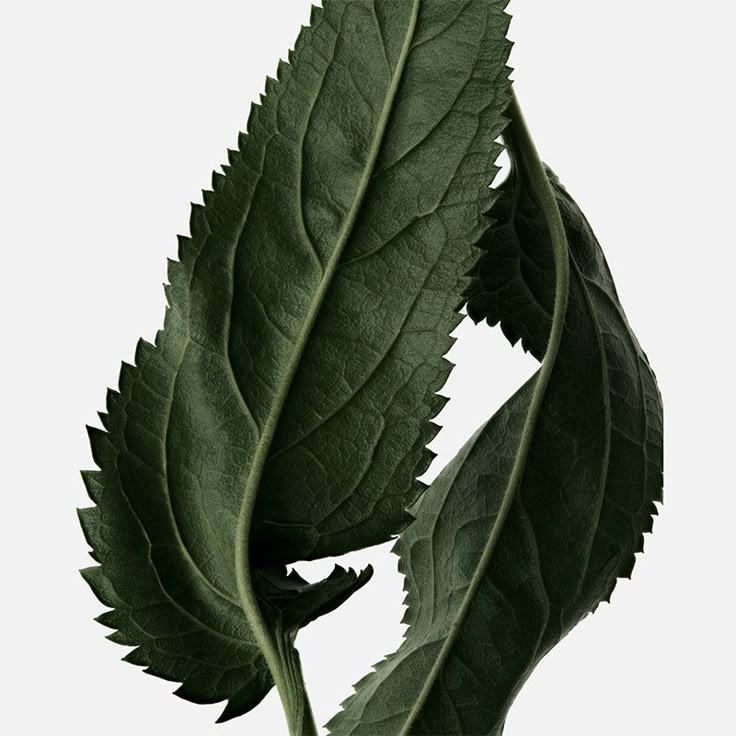
Indonesia supplies the majority of the world’s patchouli oil, most of it distilled in Sulawesi and Sumatra from leaves that are dried and fermented before they ever reach a still. It is one of the few materials where the country’s role is well known inside the industry and almost invisible outside it.
Open almost any modern fragrance — a woody masculine, a fruity chypre, an oriental, a designer flanker — and there is a reasonable chance that something in the base came off a hillside in Aceh or South Sulawesi. Patchouli is one of the quiet structural materials of perfumery, and Indonesia is where most of it comes from.
From Leaf to Oil
Pogostemon cablin is an unglamorous plant. It is a leafy shrub in the mint family, grown as a smallholder crop, harvested several times a year. The transformation happens after the harvest rather than during it.
The leaves are dried, then left to ferment — a step that breaks down the cell walls and lets the heavier aromatic compounds develop. Only then are they steam-distilled. Skip or rush the fermentation and the oil comes out thin and sharp; do it properly and the result has the depth the material is valued for. It is a slow process managed largely by hand and by judgement, which is part of why quality varies so much between producers.
The oil then improves with age. Fresh patchouli can be harsh and slightly camphorous. After a year or two in storage it rounds out, the rough edges settle, and it becomes the smooth, earthy, faintly sweet material that perfumers actually want. Well-aged patchouli is meaningfully different from new oil, and houses that care about it buy accordingly.
The Reputation Problem
Patchouli’s reputation as a heavy, dated note comes largely from how it was used, not from the material itself. In the West it is still shorthand for the late 1960s — cheap oil, worn undiluted, often poorly distilled and never aged. That version was genuinely overpowering, and it stuck.
The material was never the problem. The dose was.
Distilled carefully and aged, patchouli reads earthy and slightly sweet, and it gives a composition weight without turning it dark. Modern perfumery also has access to fractionated and molecularly cleaned versions, which strip out the mustier facets and leave the smooth woody core. A great deal of contemporary fragrance contains patchouli that most people would never identify as patchouli.
What It Does in a Composition
Patchouli earns its place for reasons that have little to do with how it smells on its own.
- It fixes. As a heavy base material it slows the evaporation of lighter notes above it, which is a large part of why a fragrance lasts.
- It grounds. A composition that risks floating away — too much citrus, too much white floral — gains a floor.
- It bridges. Patchouli sits comfortably between woods, resins, florals and fruit, which makes it one of the most useful connectors a perfumer has.
- It adds shadow without darkness. Unlike oud or heavy leather, it gives depth while staying relatively transparent.
Learning to Recognise It
Once you can pick patchouli out, you will find it nearly everywhere, and fragrances you thought were unrelated will suddenly seem like relatives. The easiest way in is to smell it in isolation — a single-note oil, if you can find a well-made one — and then go back to a fragrance you already know well.
Look for it in the second hour rather than the first. Patchouli is a base note; it arrives after the top has burned off and the heart has opened. What you are looking for is a dry, slightly damp, faintly sweet earthiness underneath everything else, holding the composition down.
And it is worth remembering, when you find it, where it most likely came from. There is a real distance between a hillside in Sulawesi and a bottle on a shelf in Singapore, and almost none of it is visible on the label.


