
Jasmine and Its Place in Indonesian Scent Culture
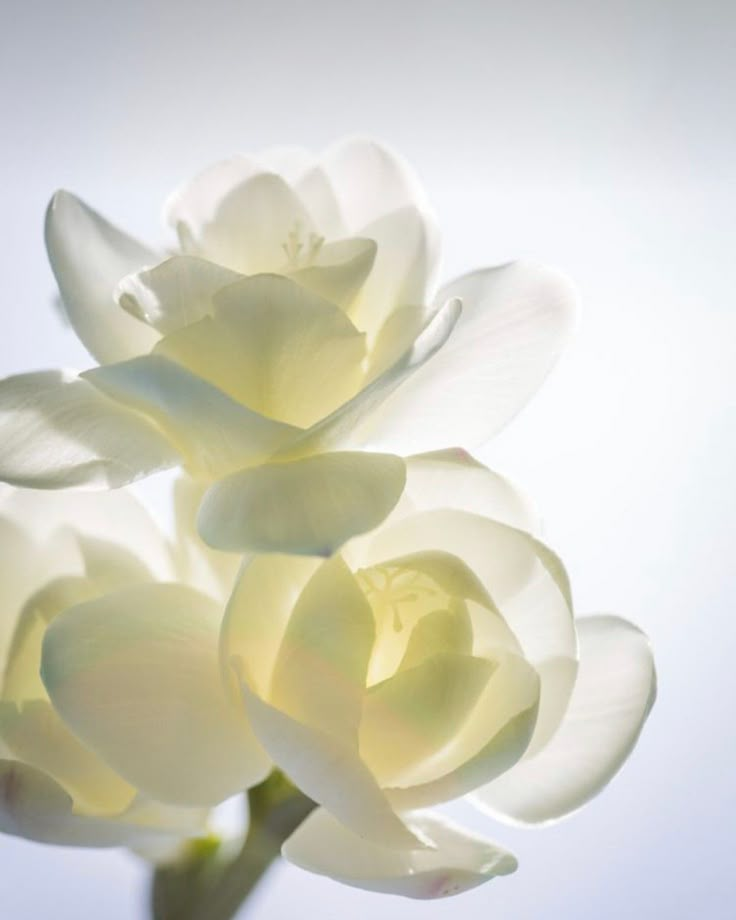
Few flowers carry as much meaning in Indonesia as melati. Jasminum sambac — melati putih — is one of the country’s national flowers, and it appears far beyond perfumery: strung into wedding garlands, offered at ceremonies, folded into the rituals that mark a life’s turning points. Long before it was a fragrance note, it was a cultural one.
That matters more than it might seem. When a material has been part of a culture for centuries, the way it is used in fragrance tends to follow the way it is used everywhere else. Indonesian jasmine is not a decorative flourish. It is the centre of the arrangement.
Melati Beyond the Bottle
Walk through a Javanese wedding and you will find melati twice over: threaded into the bride’s hair, and hung in long strands from the ceremonial dress. The flowers are picked in bud so that they open slowly through the day, which means the scent of the ceremony changes as the hours pass. It begins quiet and green, and it deepens.
The same flower appears at funerals, at temple offerings, and at the small daily rituals that never get written down. It is a flower of thresholds — used at the moments when one thing becomes another. That double life, celebratory and solemn at once, is part of why melati reads as more serious than most white florals.
What Jasmine Actually Smells Like
In a bottle, jasmine is rarely simple. It reads sweet and white-floral at first, then turns fuller and more animalic as it warms on skin, which is why perfumers treat it as a heart note with real weight rather than a decorative top.
The reason is chemical. Jasmine absolute contains indole, a compound that smells clean and floral in small amounts and distinctly less clean as the concentration rises. It is the same molecule that gives certain white flowers their faint impression of skin, or of something slightly overripe. Perfumers do not consider this a flaw. It is what stops jasmine from being merely pretty, and it is why a jasmine fragrance can feel intimate in a way that a rose one usually does not.
It is also worth knowing that not all jasmine is the same species. Jasminum sambac, the melati of Indonesia, is greener, sharper and more tea-like. Jasminum grandiflorum, the one most often grown for the French perfume industry, is rounder, warmer and more overtly sweet. A fragrance built on one will not smell like a fragrance built on the other, even though the label may say only “jasmine”.
How Indonesian Houses Use It
Indonesian houses tend to lean into the richness instead of softening it, pairing melati with woods, resins and spice so the flower reads as grounded rather than pretty. Where a European composition might lift jasmine with citrus and aldehydes to make it sparkle, an Indonesian one is more likely to set it against something dark and let the contrast do the work.
A flower that has been part of every important day of your life is not a decoration. It is a memory you can wear.
The result is a jasmine that sits closer to the skin and lasts longer on it. It is less of an announcement and more of a presence — which, for a note this culturally loaded, feels like the honest way to handle it.
Getting to Know the Note
If you are meeting jasmine properly for the first time, a few things will make the introduction go better.
- Wear it, don’t sniff it. Jasmine changes considerably over the first hour, and the version you meet on a blotter is rarely the one you will live with.
- Give it warmth. The animalic depth only arrives once the fragrance has had time against skin. Judging it in the first five minutes is judging the wrong fragrance.
- Try both species if you can. Knowing whether you prefer sambac or grandiflorum will tell you more about your taste than any list of notes.
- Notice what it is paired with. Jasmine against wood, jasmine against citrus, and jasmine against resin are three entirely different experiences.
And be patient with it. Jasmine is one of the few notes that genuinely rewards a second wearing — the thing that seemed too much on the first day is often the thing you come back for.


